


You’re referring to a growing trend: while many African Americans moved to Ghana as part of a diaspora “return,” there’s an emerging wave of some Black Americans choosing to leave Ghana in 2025—often after only a few years there. This trend is sometimes called part of the “Blaxit” exodus.
Why Some Black Americans Are Quietly Leaving Ghana 🇺🇸➡️🇬🇭
1. Economic Challenges & Cost of Living
- Ghana has faced severe inflation—over 35%, coupled with currency devaluation, and even required an IMF bailout. This has driven up everyday costs and squeezed finances for newcomers.
Wikipedia+7Moguldom+7New York Magazine+7WLRN - Returnees often pay in U.S. dollars for housing and land, which local Ghanaians find unaffordable and discriminatory. In some communities, land deals have sparked protests and lawsuits.
New Lines Magazine+1Moguldom+1
2. Employment & Lifestyle Disappointments
- Many discovered that career opportunities are limited—industries like tech and finance are underdeveloped in Ghana. Expats struggle to find jobs matching their expertise.
Reddit - Basic conveniences lacking in Ghana—like reliable healthcare, modern infrastructure, and diverse retail choices—can lead to disillusionment for those used to life in the U.S.
Moguldom+12accra-ghana.com+12Reddit+12
3. Cultural Friction & Identity Gaps
- Despite shared ancestry, many Black Americans encountered feelings of being “othered”—culturally perceived as foreigners rather than returning kin.
Moguldom+6accra-ghana.com+6New York Magazine+6 - Some Ghanaian residents expressed frustration that diaspora-driven market influences were driving inequality and disrespecting locals.
New York Magazine+1New Lines Magazine+1
4. Unmet Expectations
- The ideal of a welcoming ancestral homeland sometimes clashed with reality—daily life in Ghana is still marked by frequent power outages, bureaucratic delays, and class divisions.
Reddit+5Reddit+5The News Beyond Detroit+5 - For some, the spiritual or emotional reasons initially motivating the move couldn’t outweigh practical day-to-day frustrations.
✅ Summary Table
| Challenge Area | Why Some Returnees Are Leaving |
|---|---|
| Economy & Inflation | Soaring cost of living, currency devaluation, high housing prices |
| Job Market Limitations | Few formal employment opportunities for expats |
| Cultural Disparities | Feeling foreign, not belonging, or facing subtle exclusion |
| Unfulfilled Expectations | Lack of conveniences, infrastructure, and comfort of U.S. lifestyle |
🧭 Bigger Picture
- The initial influx came via Ghana’s Year of Return (2019) and sustained through the Beyond the Return initiative—welcoming thousands of diaspora members. Many received citizenship and saw Ghana as a refuge amid U.S. social unrest.
NPR+2americanemigration.com+2Moguldom+2Reddit+1Moguldom+1Wikipedia+15richmondfreepress.com+15AP News+15 - Yet, with only a small number (estimated 1,500–10,000) fully settled—and over 524 granted citizenship by late 2024—some experience second thoughts after relocating.
Africanewsrichmondfreepress.comAP News
🎯 Final Thought
The move to Ghana offered many African Americans a symbolic return—a chance at healing, heritage, and community. But for some, structural issues—like economic instability, cultural mismatch, and overestimated opportunities—have prompted a quiet exodus.
Would you like me to offer:
- A personal story of a returnee who ultimately left?
- Tips for others considering repatriation (pros, cons, realities)?
- Statistics on how many actually stay long-term vs. return to the U.S.?
Let me know what angle interests you.
Further reading on Ghana diaspora departures

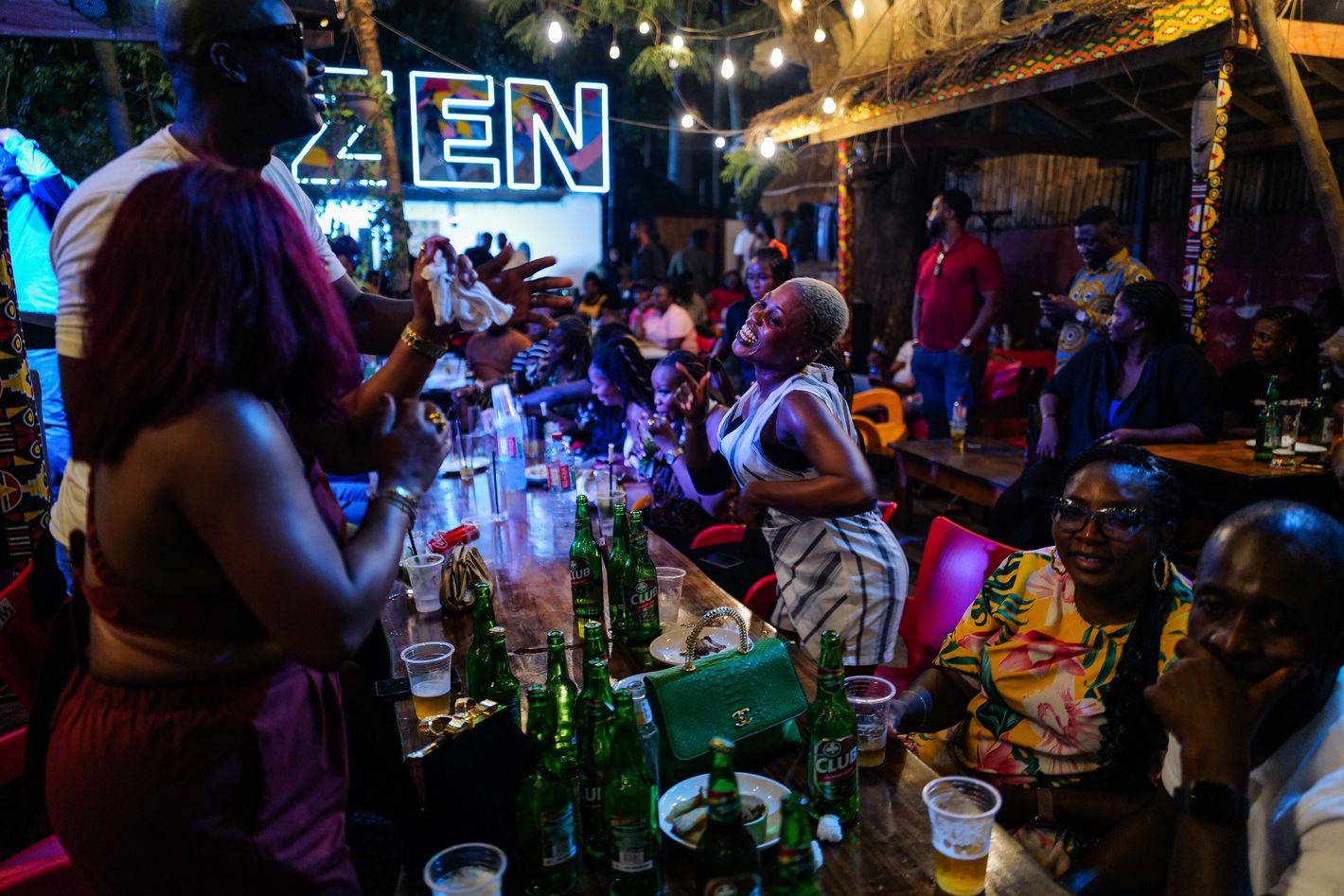
The Black Americans Gentrifying Ghana

Come home, Ghana told the African diaspora. Now some Black Americans take its citizenship
Sources
Ask ChatGPTTools